
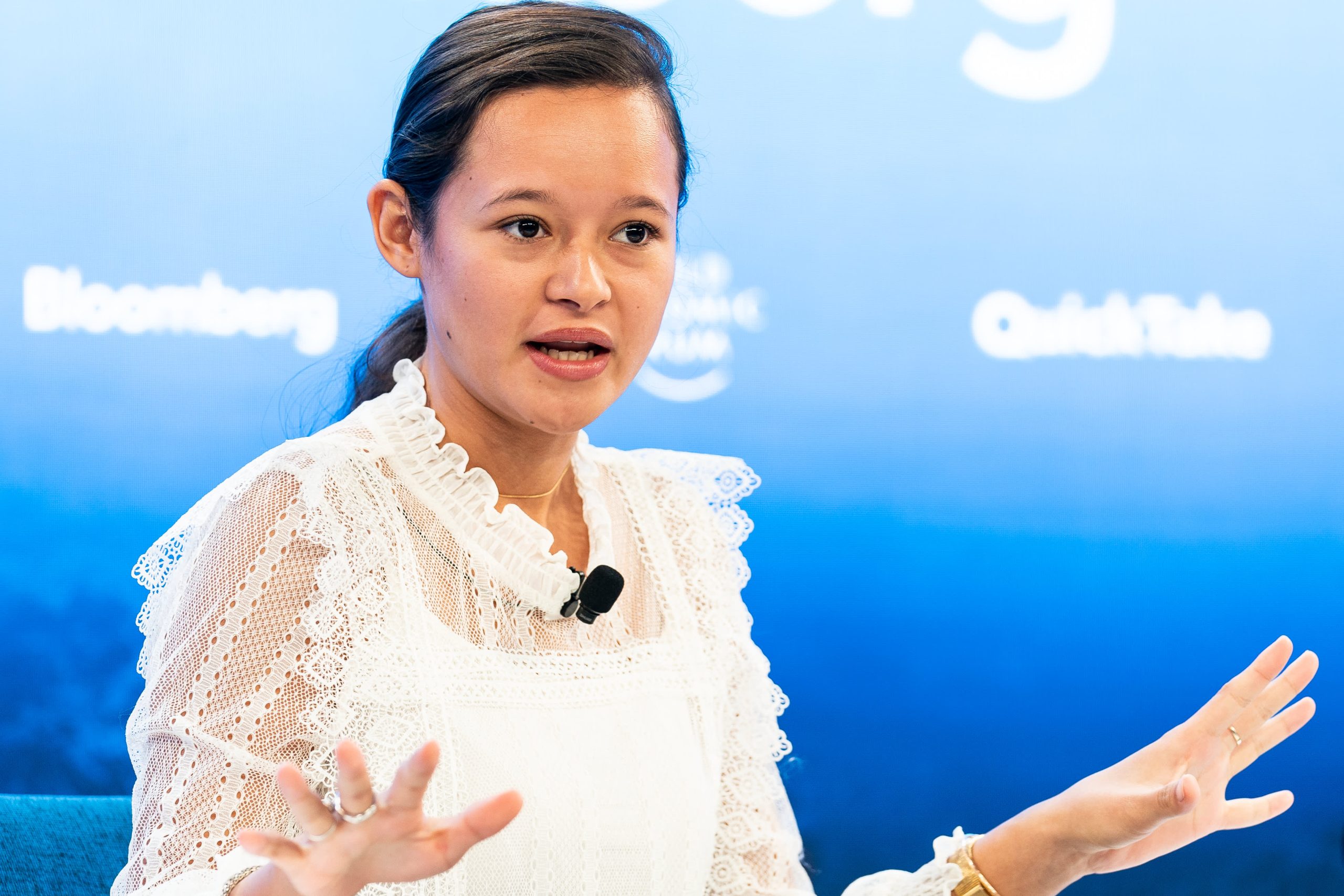
The global fight against plastic pollution has become one of the most urgent environmental challenges of the 21st century. Across the world, millions of tons of plastic waste end up in oceans, rivers, and landfills every year, creating long-term damage to ecosystems and human health. Addressing this crisis requires innovative solutions, strong leadership, and collective action from governments, businesses, and communities.
At the India Today Conclave 2026, environmental activist Melati Wijsen delivered a powerful message about the need for systemic change in how societies approach plastic pollution. She emphasized that solving the environmental crisis requires a new mindset and collaborative action rather than isolated efforts.
Wijsen, known globally for leading a youth-driven campaign to ban plastic bags in Bali, has become a prominent voice for environmental activism among young people. Through her platform Youthtopia, she continues to encourage young leaders to transform climate anxiety into meaningful action.
A Young Activist Leading Global Change
Melati Wijsen first gained international attention as a teenager when she co-founded the Bye Bye Plastic Bags campaign along with her sister. The initiative began as a student-led effort to reduce plastic pollution in Bali, where single-use plastic waste had become a serious environmental concern.
The campaign mobilized thousands of young volunteers who worked to raise awareness, organize clean-up drives, and engage with policymakers. Their persistent advocacy eventually played a role in influencing local authorities to implement restrictions on single-use plastic bags in Bali.
This achievement demonstrated the power of youth activism and community engagement. What started as a small initiative grew into an international movement that inspired similar campaigns around the world.
Wijsen’s journey reflects how determined individuals can influence policy and environmental awareness, even at a young age.
The Message at the India Today Conclave
At the India Today Conclave 2026, Wijsen spoke about the importance of rethinking how societies address environmental challenges. She argued that many current approaches attempt to solve environmental problems using the same systems and mindsets that created them.
Her statement, “You can’t solve a problem with what created it,” highlighted the need for innovative thinking and systemic transformation. According to Wijsen, addressing the plastic crisis requires collaboration across industries, governments, and communities.
She stressed that environmental issues should not be approached in isolated sectors or “silos.” Instead, solutions must integrate environmental protection with economic development, technological innovation, and social responsibility.
Her message resonated with policymakers, business leaders, and activists attending the event, encouraging them to rethink traditional approaches to sustainability.
Understanding the Global Plastic Crisis
Plastic pollution has become one of the most pressing environmental challenges worldwide. Single-use plastics such as bags, bottles, packaging materials, and disposable products are widely used because they are inexpensive and convenient.
However, plastics take hundreds of years to decompose, leading to long-term environmental damage. Large quantities of plastic waste enter oceans each year, harming marine life and disrupting ecosystems.
Microplastics—tiny fragments produced as plastic breaks down—have also been detected in water, soil, and even human food chains. Scientists and environmental experts warn that continued plastic production without proper waste management could worsen environmental and health risks.
This growing crisis has prompted governments and organizations around the world to explore strategies such as plastic bans, recycling programs, and alternative materials.
Youthtopia: Turning Eco-Anxiety Into Action
After gaining global recognition for her environmental work, Wijsen launched the platform Youthtopia. The initiative focuses on empowering young people to transform climate concerns into practical solutions.
Many young individuals today experience what experts describe as “eco-anxiety,” a feeling of stress or fear about environmental issues and the future of the planet. Youthtopia aims to address this emotional challenge by providing opportunities for action and leadership.
Through mentorship programs, leadership workshops, and community projects, Youthtopia helps young people develop the skills needed to implement sustainable initiatives in their communities.
Wijsen believes that empowering youth with knowledge, resources, and confidence can create a powerful global movement for environmental change.
Breaking the Silo Approach to Climate Solutions
One of the central themes of Wijsen’s speech was the need to break away from siloed thinking in environmental policymaking. Traditionally, governments, industries, and communities often work independently on sustainability issues.
For example, waste management, manufacturing, environmental conservation, and economic development are frequently handled by separate institutions or departments. This separation can limit the effectiveness of solutions.
Wijsen argued that tackling plastic pollution requires collaboration between sectors. Businesses must design sustainable products, governments must implement supportive regulations, and consumers must adopt responsible consumption habits.
By integrating these efforts, societies can create comprehensive strategies that address both the causes and consequences of plastic pollution.
The Role of Youth in Environmental Leadership
Young people have become one of the most influential forces in modern environmental activism. Across the world, youth movements are advocating for stronger climate policies, sustainable lifestyles, and environmental accountability.
Wijsen’s journey illustrates how youth leadership can shape global conversations about sustainability. She believes that young people bring creativity, urgency, and a long-term perspective to environmental challenges.
Through education, digital communication, and international collaboration, youth activists are able to mobilize large communities and influence policy discussions.
Their involvement also ensures that future generations have a voice in decisions that will affect the planet’s long-term health.
Innovation and Sustainable Alternatives
While activism and policy reforms are essential, addressing the plastic crisis also requires innovation in materials and product design. Scientists and companies around the world are developing alternatives such as biodegradable packaging, reusable materials, and improved recycling technologies.
These innovations aim to reduce reliance on traditional plastic products while maintaining the convenience and functionality that consumers expect.
Wijsen has emphasized that sustainable innovation should be accessible and scalable. Solutions must be affordable and practical so that they can be adopted widely across different communities and economies.
Collaboration between researchers, entrepreneurs, and policymakers will be crucial in accelerating the transition toward sustainable materials.
Inspiring Collective Responsibility
One of the key messages from Wijsen’s activism is that environmental change cannot rely solely on governments or activists. It requires participation from individuals, communities, businesses, and institutions.
Simple actions such as reducing plastic consumption, supporting sustainable brands, and participating in community initiatives can collectively make a significant difference.
Wijsen encourages people to focus on actionable steps rather than feeling overwhelmed by the scale of the problem. She believes that when individuals take responsibility and work together, meaningful change becomes possible.
Her approach emphasizes hope, collaboration, and empowerment rather than fear or pessimism.
Conclusion
Melati Wijsen’s message at the India Today Conclave 2026 highlights the urgent need for new approaches to tackling plastic pollution and environmental challenges. Her belief that problems cannot be solved using the same systems that created them calls for innovative thinking and collective action.
From her early activism in Bali to her leadership through Youthtopia, Wijsen has demonstrated how youth-driven initiatives can influence global environmental conversations. Her work continues to inspire individuals and communities to transform climate anxiety into practical solutions.
As the world confronts the growing plastic crisis, her message serves as a reminder that meaningful change requires collaboration, creativity, and a shared commitment to protecting the planet for future generations.
suplake.com suplake.com suplake.com suplake.com suplake.com suplake.com suplake.com suplake.com suplake.com suplake.com suplake.com suplake.com suplake.com suplake.com suplake.com suplake.com suplake.com suplake.com suplake.com suplake.com suplake.com suplake.com suplake.com suplake.com suplake.com suplake.com suplake.com suplake.com suplake.com suplake.com suplake.com suplake.com suplake.com suplake.com suplake.com suplake.com suplake.com suplake.com suplake.com suplake.com suplake.com suplake.com suplake.com suplake.com suplake.com suplake.com suplake.com suplake.com suplake.com suplake.com suplake.com suplake.com suplake.com suplake.com suplake.com suplake.com suplake.com suplake.com suplake.com suplake.com suplake.com suplake.com suplake.com suplake.com suplake.com suplake.com suplake.com suplake.com suplake.com suplake.com suplake.com suplake.com suplake.com suplake.com suplake.com suplake.com suplake.com suplake.com suplake.com suplake.com suplake.com suplake.com suplake.com suplake.com suplake.com suplake.com suplake.com suplake.com suplake.com suplake.com suplake.com suplake.com suplake.com suplake.com suplake.com suplake.com suplake.com suplake.com suplake.com suplake.com suplake.com suplake.com suplake.com suplake.com suplake.com suplake.com suplake.com suplake.com suplake.com suplake.com suplake.com suplake.com suplake.com suplake.com suplake.com suplake.com suplake.com suplake.com suplake.com suplake.com suplake.com suplake.com suplake.com suplake.com suplake.com suplake.com suplake.com suplake.com suplake.com suplake.com suplake.com suplake.com suplake.com suplake.com suplake.com suplake.com suplake.com suplake.com suplake.com suplake.com suplake.com suplake.com suplake.com suplake.com suplake.com suplake.com suplake.com suplake.com suplake.com suplake.com suplake.com suplake.com suplake.com suplake.com suplake.com suplake.com suplake.com suplake.com suplake.com suplake.com suplake.com suplake.com suplake.com suplake.com suplake.com suplake.com suplake.com