Fake Journalists Plant Hidden Cameras in Karnataka Woman’s Home, Demand Rs 50 Lakh: A Deep‑Dive into the Case and Broader Implications
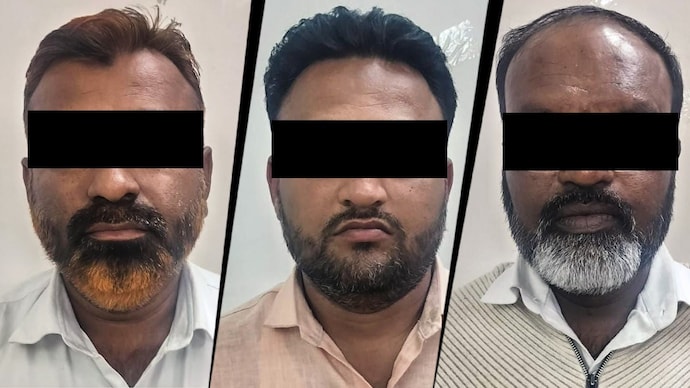
In a shocking incident that has drawn widespread attention and alarm across Karnataka, the Belagavi police recently arrested three men posing as journalists for allegedly installing hidden cameras inside the home of a woman government officer and then attempting to extort Rs 50 lakh from her by threatening to release the recordings on social media. The disturbing case sheds light on the evolving tactics of cyber blackmailers, exploitation of digital vulnerabilities, and the challenges faced by law enforcement in protecting citizens’ privacy and safety.
The case began to unfold when the woman officer, a resident of Belagavi district, discovered that her privacy had been violated in what initially seemed like a routine matter but soon revealed a far more sinister plot involving clandestine surveillance and extortion. The accused, posing as members of the media, allegedly concealed miniature cameras inside bulb holders and other fixtures within her home to capture intimate footage without her knowledge. They then used this footage as leverage to coerce her into paying a large sum of money, demanding Rs 50 lakh under threat of publication of the videos on social media platforms.
How the Crime Was Executed
According to police investigations, the accused gained access to the woman’s residence at a time when she was not present, reportedly with assistance from a domestic help who opened the door for them. Once inside, they installed the hidden cameras in discreet locations, including inside bulb holders, allowing them to videotape private moments at will. The sophistication of the devices and their strategic positioning demonstrated careful premeditation and technical planning.
After setting up the cameras, the accused initiated repeated telephone calls to the woman, claiming to be journalists in possession of compromising footage. They warned her that if she did not comply with their ransom demand of Rs 50 lakh, the videos would be made public on social media. According to police, the men later tried to negotiate the amount, initially stating a higher demand before settling on the Rs 50 lakh figure.
Distressed and fearing the consequences of public exposure, the woman approached the Belagavi Police Commissioner and lodged a formal complaint. This led to the swift involvement of law enforcement and a dedicated investigation by the Malmaruti police team, resulting in the arrest of the three men.
The Arrest and Evidence Seized
The accused have been identified as Sameer Nisar Ahmed Sheikh (32), Abdul Rashid Makandar (51), and Mohammed Balekundri (43), all residents of Gokak taluk in Karnataka. During the operation, police seized multiple pieces of evidence from their possession, including several hidden camera devices, memory cards of various capacities, multiple mobile phones, pen drives, OTG devices, and an Innova Crysta vehicle believed to have been used in the commission of the crime.
The seizure of these items provided critical physical proof of the surveillance activities and the extortion plot. Investigators believe the presence of several memory cards and hidden cameras indicates that the accused may have conducted similar activities previously, possibly targeting other victims. Police have stated that further investigation is underway to ascertain the full extent of the operation and whether other associates or victims are involved.
Legal Charges and Police Response
Following their arrest, the trio has been charged under relevant provisions of the Indian Penal Code and the Information Technology Act, reflecting the seriousness of their actions. The case highlights the application of cybercrime statutes and privacy laws to address modern forms of exploitation enabled by digital technology.
Police officials involved in the case have described the offence as deeply disturbing, noting both the brazen nature of the surveillance and the malicious intent behind the blackmail. The fact that the accused posed as journalists has also raised wider concerns about the erosion of trust in legitimate media professionals and the potential misuse of such identities to commit criminal acts.
Authorities have emphasized that individuals impersonating journalists or other professionals to gain access to private spaces or exert influence will face stern legal consequences. They have also urged the public, especially women and public servants, to remain vigilant about the security of their homes and to report any suspicious activities to law enforcement immediately.
ThemeCosine.com| SeizureCanine.com | Juction.com
OldJHCC.com| ProfessionalSearch.net
Broader Context: Privacy, Trust, and Vulnerability
This incident in Belagavi has reignited discussions about the vulnerabilities inherent in modern life, where digital devices and connectivity can be manipulated for malicious purposes. Hidden cameras, once viewed primarily as tools for surveillance by security agencies or homeowners themselves, have now become instruments for exploitation when misused by criminal elements.
The case underscores the importance of digital and physical privacy protections. It exposes how apparently innocuous devices and everyday fixtures can be repurposed as tools for covert monitoring. As technology becomes increasingly integrated into domestic spaces, individuals must be aware of the risks and take proactive measures to safeguard their homes.
Furthermore, the misuse of media identities by criminals highlights a troubling trend in which the respect and authority typically granted to journalists are being exploited for harmful ends. Genuine media professionals play a critical role in society, reporting news and holding power to account. However, when impostors adopt the guise of journalists to perpetrate crimes, they undermine public trust in the press and create additional challenges for legitimate practitioners.
Implications for Law Enforcement and Public Awareness
For law enforcement agencies, the case highlights the growing need for specialized training and resources to address cyber‑enabled crimes that blend digital sophistication with traditional criminal intent. Investigators must be equipped not only to trace and analyze digital evidence but also to understand evolving criminal methodologies that exploit technological blind spots.
Police have indicated that they are continuing to investigate the Belagavi case to identify any additional victims and to dismantle any larger networks that might exist beyond the three arrested individuals. There is a growing recognition that criminal enterprises may use similar tactics in different regions, targeting vulnerable individuals through social engineering and digital threats.
Public awareness campaigns regarding cyber safety, personal privacy, and methods of identifying fraudulent conduct are becoming increasingly critical. Citizens must be informed about the risks associated with hidden surveillance devices and the tactics used by extortionists. Knowledge about how to secure private spaces, recognize suspicious behavior, and promptly report threats can empower individuals to protect themselves and deter potential criminals.
Legal Protections and Support Systems
The legal framework in India includes provisions meant to safeguard privacy and penalize cyber exploitation. The Information Technology Act provides mechanisms for addressing unauthorized interception, surveillance, and distribution of private information. When crimes like the Belagavi incident occur, the act of planting hidden cameras and extorting victims can lead to serious charges, including those related to invasion of privacy and extortion.
Additionally, the judiciary has increasingly recognized privacy as a fundamental right, offering further legal reinforcement to protect individuals against such violations. Victims of digital extortion and blackmail have legal avenues to seek redress and support, including assistance from cybercrime cells and support from law enforcement agencies specialized in digital investigations.
The Social Impact
Beyond legal and technical considerations, this case has a profound social impact. It brings to light the psychological trauma endured by victims of blackmail and the fear of public exposure that can accompany such violations. The emotional toll on individuals who find their private lives invaded and leveraged for monetary gain can be severe, leading to stress, anxiety, and a lasting sense of vulnerability.
In recent years, high‑profile cases involving digital extortion and privacy breaches have sparked national conversations about personal security in the digital age. While technology has brought innumerable benefits, it also poses risks when misused by those willing to violate ethical and legal boundaries. The Belagavi incident serves as a stark reminder of this duality and the need for collective vigilance.
Conclusion
The arrest of the three men posing as journalists in Belagavi for planting hidden cameras and extorting money from a woman officer represents a disturbing convergence of technological exploitation and criminal intent. The case highlights the challenges posed by cyber‑enabled blackmail, the importance of protecting individual privacy, and the need for robust law enforcement responses.
As the investigation continues, authorities are likely to deepen efforts to identify any broader networks and prevent similar crimes. Meanwhile, the incident underscores the urgent need for heightened awareness among the public about digital safety and privacy, as well as the importance of trusting but verifying those who seek access to one’s personal space.
The convergence of digital technology and criminal innovation demands a multifaceted response — one that balances legal enforcement, public education, technological safeguards, and community vigilance to ensure that privacy is preserved and justice is served.