The political landscape in Karnataka has once again come under sharp focus as discussions around a potential leadership transition within the Congress government gather momentum. Recent statements by senior ministers have triggered speculation about whether Chief Minister Siddaramaiah will complete his full term or if Deputy Chief Minister DK Shivakumar may eventually take the top post. While the Congress leadership at the national level has repeatedly suggested that the government will continue smoothly under the current arrangement, comments from key ministers paint a more nuanced picture of internal dynamics.
Karnataka Home Minister G Parameshwara made headlines when he openly endorsed the possibility of DK Shivakumar assuming the role of Chief Minister, should the Congress high command decide to implement a change. His statement marks one of the most significant acknowledgments from within Siddaramaiah’s camp, signalling flexibility and acceptance of the party’s direction. Parameshwara noted that if the Congress leadership evaluates the situation and believes a transition is required, he would fully support Shivakumar as the next Chief Minister.
This endorsement is notable because Parameshwara has long been perceived as a senior leader with substantial influence and ambitions of his own. His acceptance therefore offers insight into the mood within the Siddaramaiah faction—one that may be preparing itself for broader political adjustments as the 2028 election cycle progresses.
cbdtopdeals.com | casinopronews.com | party-worldwide.com
foodygame.com | playgamesidea.com
However, not all voices within the government are aligned with the idea of a mid-term transition. Housing Minister Zameer Ahmed Khan delivered a strong counterstatement, emphasising that the Chief Minister’s chair is not vacant and will not be until 2028. He asserted that Siddaramaiah was chosen by the people and the high command to lead the government for its full term, leaving no room for speculation about an early change in leadership. According to him, the focus should be on governance and fulfilling promises made under the Congress manifesto rather than engaging in debates about the Chief Ministership.
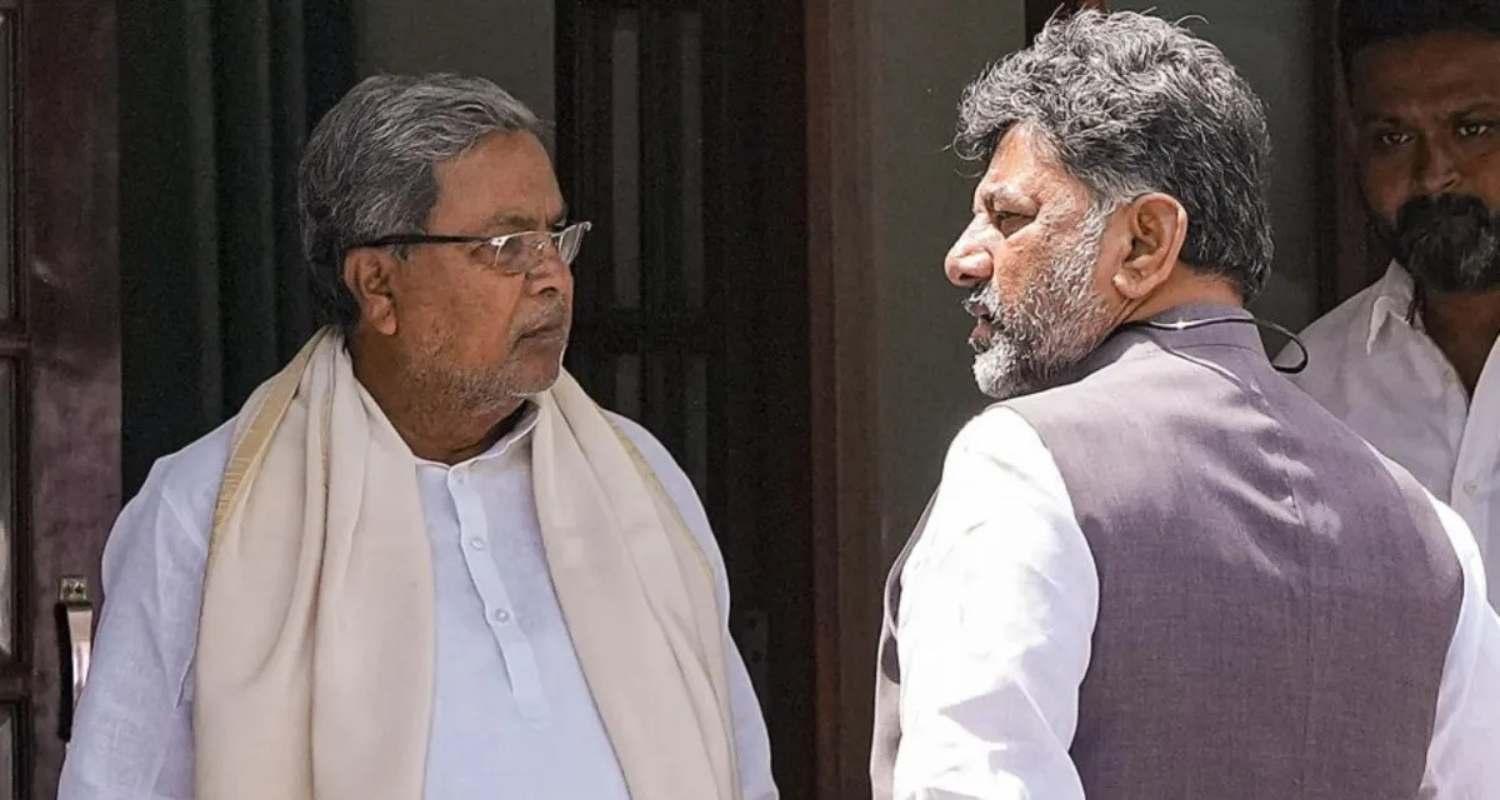
This contrast in opinions has ignited discussions around the internal balance of power within the Karnataka Congress. Ever since the party assumed power in 2023 after a significant victory, the arrangement between Siddaramaiah and Shivakumar has been under constant scrutiny. The two leaders represent distinct political constituencies and enjoy strong bases of support. Siddaramaiah, a seasoned administrator, is seen as a mass leader with deep roots in the AHINDA (Minorities, Backward Classes, and Dalits) social coalition. Shivakumar, on the other hand, is acknowledged for his organisational skills, ability to mobilise cadres, and contribution to stabilising the party structure during challenging political scenarios.
The Congress high command had initially put in place a power-sharing arrangement to maintain balance. Although details were never officially disclosed, speculation has long suggested the possibility of a rotational Chief Ministership. These latest statements from ministers have renewed those discussions, even as the central leadership maintains silence.
Political observers point out that Parameshwara’s statement may reflect a strategic shift. With the Lok Sabha elections concluded and the Congress in Karnataka looking to consolidate its administrative performance, the possibility of recalibrating leadership could be part of a larger political plan. Such a move might help the party energise different voter bases ahead of the next assembly elections. Additionally, the Congress may seek to utilise Shivakumar’s organisational strengths at a time when the state unit is dealing with challenges from a reinvigorated opposition.
Despite speculation, Siddaramaiah continues to maintain a firm grip on governance. His social welfare schemes and emphasis on fiscal discipline remain central to the administration’s agenda. The Chief Minister has repeatedly asserted that his government is committed to fulfilling all guarantee schemes and improving public service delivery. His supporters argue that stability and continuity are crucial for achieving long-term development goals.
On the other hand, Shivakumar has kept a steady public tone, neither fuelling nor denying rumours about a possible transition. His stance reflects political maturity and alignment with party discipline. By avoiding direct confrontation, he continues to strengthen his influence both within the organisation and among the public.
The statements by the two ministers also highlight the delicate balance the Congress must maintain. Any premature talk of leadership change can create unnecessary friction and distract from governance. Yet, acknowledging the possibility of future adjustments allows the party to keep options open and manage internal aspirations.
Ultimately, the question of who will lead Karnataka is one that only the Congress high command can answer. For now, what is evident is that the internal dynamics of the ruling party are shifting subtly. Leaders like Parameshwara signalling acceptance of a potential Shivakumar takeover, and others like Zameer Khan firmly defending Siddaramaiah’s full-term leadership, reflect the diverse political equations within the government.
As the administration enters the second half of its tenure, the Congress will likely prioritise unity, performance, and preparation for the 2028 elections. Whether or not a leadership transition takes place, the party’s challenge lies in ensuring that internal debates do not overshadow its governance agenda.
The coming months will therefore be critical in understanding how the party navigates leadership aspirations while maintaining administrative continuity. For now, Karnataka remains under the steady leadership of Siddaramaiah, even as the political chatter around the future continues to intensify.