A fresh weather system developing over the Bay of Bengal has raised concerns across South India this week. According to early forecasts, the system is expected to intensify into a cyclonic storm named Cyclone Ditwah, prompting authorities in Tamil Nadu and Andhra Pradesh to issue alerts for coastal regions. As the storm gradually builds strength, officials have urged residents to remain cautious, prepare for disruptions, and closely monitor official weather updates.
Cyclone Ditwah is expected to bring heavy rainfall, thunderstorms, and strong gusty winds along the eastern coastline. With the possibility of landfall later this week, the India Meteorological Department has already begun issuing regular advisories to keep the public informed. This developing cyclone marks yet another reminder of how vulnerable coastal states are to rapidly changing climatic patterns in the region.
Weather System Strengthening in the Bay of Bengal
The Bay of Bengal is known for its warm sea surface temperatures, which often provide ideal conditions for cyclogenesis. The current low-pressure area over the central Bay shows all signs of intensification. Meteorologists suggest that within the next 24 to 48 hours, this weather system is likely to strengthen into a depression and then escalate into a cyclonic storm.
As it moves northwestward, the cyclone may approach the coasts of Tamil Nadu and Andhra Pradesh. While the exact landfall location and intensity are still being monitored, early projections caution that the system could bring widespread downpours and strong winds up to high speeds, especially in low-lying coastal districts.
States Step Up Preparedness Measures
Both Tamil Nadu and Andhra Pradesh have activated their disaster management units. Local administrations are preparing for potential emergencies, including flooding, waterlogging, and damage to electrical and communication lines.
In Tamil Nadu, coastal districts such as Chennai, Nagapattinam, Cuddalore, and Thoothukudi are gearing up for challenging weather conditions. Authorities have issued warnings to fishermen, advising them not to venture into the sea due to the risk of rough waves and high tide. Ports have been asked to remain on alert and ensure that ships and boats are secured.
Similarly, Andhra Pradesh has ramped up preparations along its coastline, particularly in districts like Nellore, Prakasam, and Visakhapatnam. Control rooms and emergency teams have been set up to respond to any storm-related incidents. Officials have urged residents living near beaches and low-lying areas to stay informed and be ready for possible evacuations if needed.
cbdtopdeals.com | casinopronews.com | party-worldwide.com
foodygame.com | playgamesidea.com
Heavy Rainfall Expected Later This Week
Meteorological predictions indicate that the cyclone could bring moderate to heavy rainfall across parts of South India. Tamil Nadu, which recently received scattered showers, may experience intensified rainfall accompanied by thunderstorms as Cyclone Ditwah edges closer. The possibility of localized flooding and water accumulation in urban areas remains high.
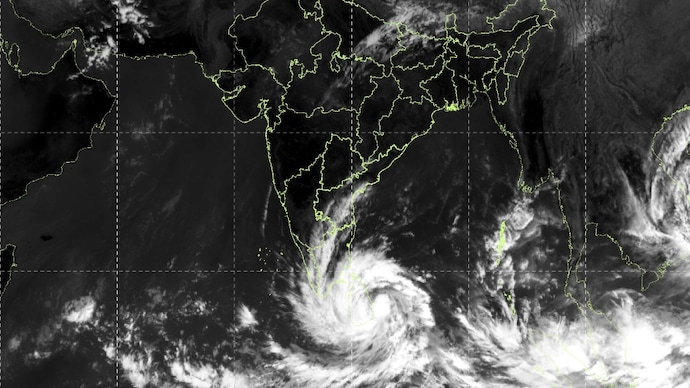
Andhra Pradesh, too, is expected to receive significant rainfall. Strong winds may lead to tree falls, disruptions in outdoor activities, and challenges for transportation networks. Coastal areas may also face sea turbulence due to rising waves and storm surges.
Impact on Daily Life and Precautionary Measures
The approaching cyclone may disrupt daily activities, especially in coastal cities. Schools, workplaces, and transportation services may experience interruptions depending on the storm’s path and intensity. Power outages are also possible due to heavy winds damaging power lines.
Authorities recommend the following precautionary measures for residents:
-
Stay indoors during heavy rain and wind.
-
Keep emergency kits ready, including essentials like water, medicines, food, and flashlights.
-
Avoid travelling to coastal areas or waterlogged regions.
-
Secure loose objects around homes that may be blown away by strong winds.
-
Follow official updates from weather and disaster management departments.
Fishermen have been strongly advised to halt operations and return to the shore until the cyclone passes.
Cyclone Ditwah: A Reminder of Changing Weather Patterns
Over the past decade, India has witnessed an increased frequency of cyclones forming over the Bay of Bengal. Warmer ocean temperatures, climate shift, and unpredictable monsoon patterns contribute to the intensification of such storms. Cyclone Ditwah, though still forming, highlights the need for improved preparedness and public awareness.
State governments have been investing in early warning systems and rapid response teams, but community participation remains equally crucial. By following safety guidelines and remaining alert, citizens can significantly reduce the risks associated with cyclones.
Conclusion
Cyclone Ditwah may still be in its early stages, but its potential impact has already put coastal states on alert. Tamil Nadu and Andhra Pradesh are taking proactive measures to safeguard lives and property as the weather system intensifies in the Bay of Bengal. With heavy rainfall, strong winds, and turbulent seas forecasted, residents are advised to prioritize safety and stay updated with official advisories.
As the region braces for the approaching storm, preparedness, caution, and timely action will play a vital role in minimizing the cyclone’s impact.