Latheesha Ansari was a woman from Kerala, India, whose life story became a powerful example of courage, determination, and hope. Despite facing severe physical challenges and a rare genetic condition, she pursued her dream of becoming an IAS officer, refusing to let her disabilities define her. Her journey was full of obstacles, but also filled with incredible resilience.
Early Life and Health Challenges
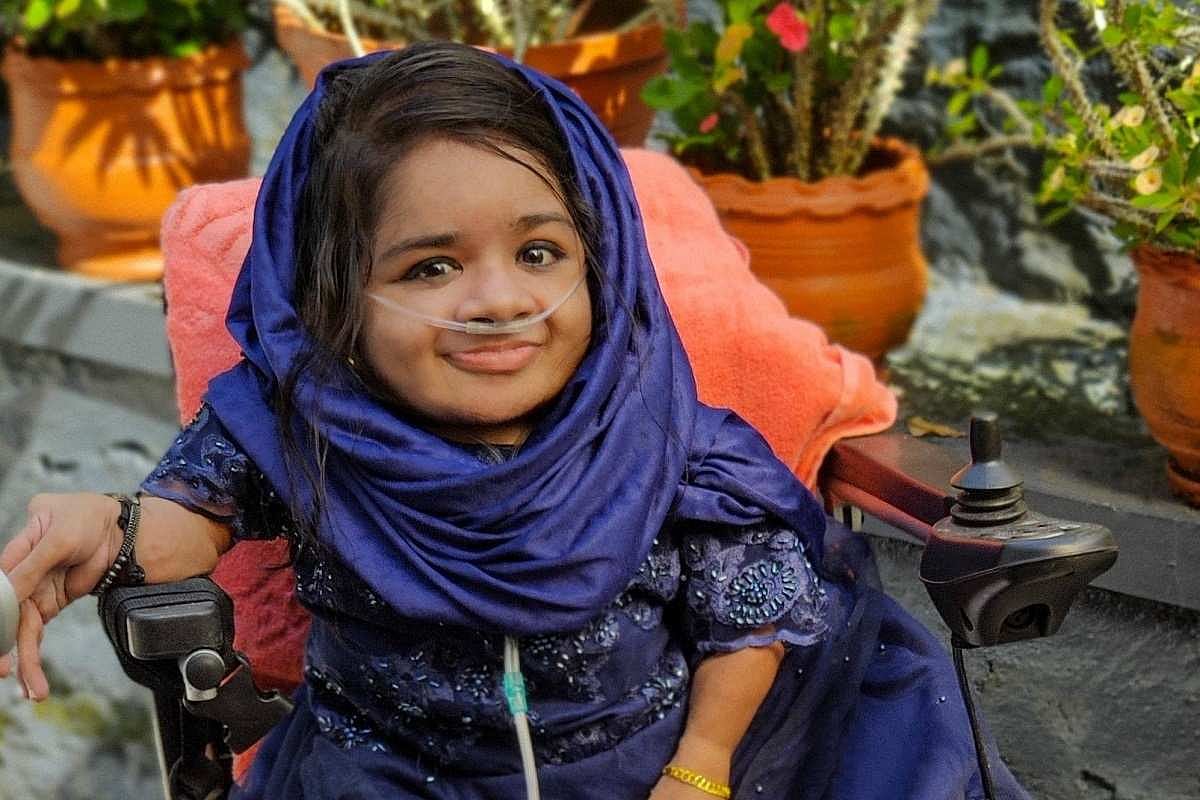
Latheesha was born in Erumeli, Kottayam district, Kerala, with Osteogenesis Imperfecta (OI)—a rare genetic disorder also known as brittle bone disease. This condition causes bones to break easily, weak muscles, and stunted growth. Over her life, she suffered hundreds of fractures. Moving even slightly could result in a broken bone. Her body size and strength were significantly limited, and physical movement was often painful.
In addition to OI, Latheesha developed pulmonary hypertension, a condition that affects her lungs and heart, making it difficult to breathe. Because of this, she needed constant oxygen support.
Academic Pursuits
Despite her medical condition, Latheesha was an excellent student:
-
She completed her schooling, then graduated and earned a master’s degree in commerce.
-
She was fond of music and art. She learned to play the keyboard, painted, and had interest in sharing her life and perspectives through a YouTube channel.
Her family was very supportive. Because she could not walk normally, her parents (especially her father) carried her to school, to exam centers, and everywhere she needed to go. They made huge sacrifices to ensure she had the same educational opportunities as others.
The UPSC Exam and Her Brave Decision
The UPSC (Union Public Service Commission) exam is one of India’s toughest competitive examinations, especially because candidates often travel and sit for long hours. Latheesha decided to appear for this exam despite knowing the challenges:
-
In 2019, she made arrangements to take the prelims exam, traveling from her home in Erumeli to Thiruvananthapuram. Because of her lung condition, she needed a portable oxygen concentrator for breathing during the exam.
-
She took the exam seated, with oxygen support beside her. The journey, physical discomfort, risk of fractures, and breathing difficulty did not stop her determination.
vefogix.co.in | vefogix.info | vefogix.biz
vefogix.in | myspinweb.com | jinpowellart.com
Life Beyond The Exams
Latheesha didn’t let her challenges limit her interests or her sense of contribution:
-
She had a job at a cooperative bank in Erumeli for a while when health permitted. Later, she had to leave due to worsening medical issues.
-
She taught differently-abled children from her home. She also pursued art and music as ways to remain engaged and inspired.
Final Years and Legacy
Latheesha passed away on June 16, 2021, at the age of 27. Her health had been deteriorating, especially her respiratory condition. In her final days, she made a wish: she asked her father to help her stand, something she had never done before. Her father held her hands and helped support her for two hours—a deeply emotional moment.
Her passing was mourned by many. But instead of being remembered only for her struggles, Latheesha is celebrated for her spirit and what she achieved despite enormous difficulties. She became an inspiration for disabled persons, for aspirants to competitive exams, and for anyone facing life-structuring challenges.
What We Can Learn From Latheesha’s Story
-
Resilience over physical limitations
Latheesha’s life shows that having a physical disability does not mean giving up on one’s dreams. Her perseverance, even under constant pain and medical complications, is a lesson in grit. -
Support systems matter
Her family’s support, teachers, friends, medical staff, and the rare accommodations (like oxygen support, help traveling) played a huge role. It reminds us how much difference compassion, assistance and inclusion can make. -
The need for inclusive policies and facilities
Her story highlights gaps in infrastructure (transport, accessibility, medical support), awareness about rare diseases and necessary accommodations in competitive exams and public life. -
Mental courage and hope
Holding onto hope, even when odds are overwhelming, can be transformative. Sometimes hope is what drives people to keep trying, learning, and living.
Concluding Thoughts
Latheesha Ansari may have left this global too soon, but she left behind a story that continues to inspire. It is a story of courage, of bowing to the pain in one’s body and of staying on top of one’s dreams. Her life reminds us that real power is regularly quiet—she deals with wakefulness, pain, anxiety, and imperfection every day—and yet chooses to stay.
She asserted that physical differences do not determine the true value of the goals, and that honor should be determined by heroism.
jinpowellart.com jinpowellart.com jinpowellart.com jinpowellart.com jinpowellart.com jinpowellart.com jinpowellart.com jinpowellart.com jinpowellart.com jinpowellart.com jinpowellart.com jinpowellart.com jinpowellart.com jinpowellart.com jinpowellart.com jinpowellart.com jinpowellart.com jinpowellart.com jinpowellart.com jinpowellart.com jinpowellart.com jinpowellart.com jinpowellart.com jinpowellart.com jinpowellart.com jinpowellart.com jinpowellart.com jinpowellart.com jinpowellart.com jinpowellart.com jinpowellart.com jinpowellart.com jinpowellart.com jinpowellart.com jinpowellart.com jinpowellart.com jinpowellart.com jinpowellart.com jinpowellart.com jinpowellart.com jinpowellart.com jinpowellart.com jinpowellart.com jinpowellart.com jinpowellart.com jinpowellart.com jinpowellart.com jinpowellart.com jinpowellart.com jinpowellart.com jinpowellart.com jinpowellart.com jinpowellart.com jinpowellart.com jinpowellart.com jinpowellart.com jinpowellart.com jinpowellart.com jinpowellart.com jinpowellart.com jinpowellart.com jinpowellart.com jinpowellart.com jinpowellart.com jinpowellart.com jinpowellart.com jinpowellart.com jinpowellart.com jinpowellart.com jinpowellart.com jinpowellart.com jinpowellart.com jinpowellart.com jinpowellart.com jinpowellart.com jinpowellart.com jinpowellart.com jinpowellart.com jinpowellart.com jinpowellart.com jinpowellart.com jinpowellart.com jinpowellart.com jinpowellart.com jinpowellart.com jinpowellart.com jinpowellart.com jinpowellart.com jinpowellart.com jinpowellart.com jinpowellart.com jinpowellart.com jinpowellart.com jinpowellart.com jinpowellart.com jinpowellart.com jinpowellart.com jinpowellart.com jinpowellart.com jinpowellart.com jinpowellart.com jinpowellart.com jinpowellart.com jinpowellart.com jinpowellart.com jinpowellart.com jinpowellart.com jinpowellart.com jinpowellart.com jinpowellart.com jinpowellart.com jinpowellart.com jinpowellart.com jinpowellart.com jinpowellart.com jinpowellart.com jinpowellart.com jinpowellart.com jinpowellart.com jinpowellart.com jinpowellart.com jinpowellart.com jinpowellart.com jinpowellart.com jinpowellart.com jinpowellart.com jinpowellart.com jinpowellart.com jinpowellart.com jinpowellart.com jinpowellart.com jinpowellart.com jinpowellart.com jinpowellart.com jinpowellart.com jinpowellart.com jinpowellart.com jinpowellart.com jinpowellart.com jinpowellart.com jinpowellart.com jinpowellart.com jinpowellart.com jinpowellart.com jinpowellart.com jinpowellart.com jinpowellart.com jinpowellart.com jinpowellart.com jinpowellart.com jinpowellart.com jinpowellart.com jinpowellart.com jinpowellart.com jinpowellart.com jinpowellart.com jinpowellart.com jinpowellart.com jinpowellart.com jinpowellart.com jinpowellart.com jinpowellart.com jinpowellart.com jinpowellart.com jinpowellart.com jinpowellart.com jinpowellart.com jinpowellart.com jinpowellart.com jinpowellart.com jinpowellart.com jinpowellart.com jinpowellart.com jinpowellart.com jinpowellart.com jinpowellart.com jinpowellart.com jinpowellart.com jinpowellart.com jinpowellart.com jinpowellart.com jinpowellart.com jinpowellart.com jinpowellart.com jinpowellart.com jinpowellart.com jinpowellart.com jinpowellart.com jinpowellart.com jinpowellart.com jinpowellart.com jinpowellart.com jinpowellart.com jinpowellart.com jinpowellart.com jinpowellart.com jinpowellart.com jinpowellart.com