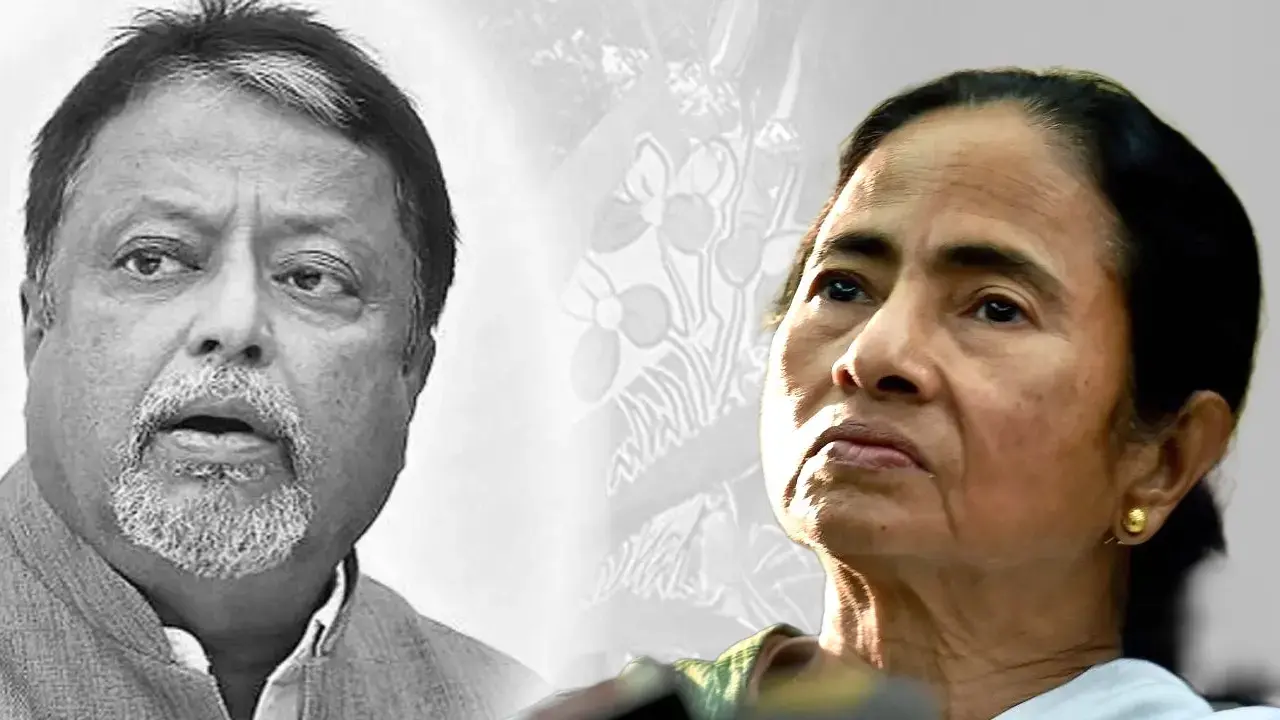
The political landscape of West Bengal and India lost a prominent figure on February 23, 2026, with the passing of veteran leader Mukul Roy, a seasoned politician whose career spanned multiple decades, parties, alliances, and pivotal moments in regional and national politics. His death drew responses from all quarters, but perhaps none as heartfelt as that of West Bengal Chief Minister and Trinamool Congress (TMC) supremo Mamata Banerjee, who reflected on their long political association with deep emotion and respect.
Roy, aged 71, died early Monday morning in a private hospital in Salt Lake, Kolkata, after suffering a cardiac arrest following a prolonged illness marked by multiple ailments. His son, Subhranshu Roy, confirmed the news and stated that the family was preparing for his last rites.
A Political Journey Etched in History
Mukul Roy’s political trajectory was both rich and complex. He began his career in the Indian National Congress and later became one of the founding members of the All India Trinamool Congress in 1998 alongside Mamata Banerjee. From the party’s inception, he was acknowledged as a key organisational force — a strategist who helped build the TMC from the ground up, expanding its influence across districts and voter bases.
Roy’s organisational acumen earned him several high-profile roles, including election to the Rajya Sabha and appointment as Union Minister of State for Shipping and later Minister of Railways in the UPA government. During his tenure at the Centre, he represented both his party and West Bengal, showcasing his ability to manage administrative responsibilities while strengthening political outreach.
However, his career also saw significant shifts. In 2017, following internal disagreements with the TMC leadership, Roy joined the Bharatiya Janata Party (BJP) and worked to strengthen its presence in West Bengal. He was elected as a BJP MLA in the 2021 Assembly elections. His later return to the TMC was welcomed politically, though it came with legal and procedural challenges, including questions over his legislative status that were addressed through the appropriate forums.
Mamata Banerjee’s Condolence: A Remark on Life and Legacy
Reacting to the news of his passing, Mamata Banerjee expressed profound grief and personal loss. In her message, she said she was “shocked and saddened” by Roy’s death and described him as a long-time colleague who had stood beside her during many crucial political battles.
She recalled Roy’s tireless contribution to the Trinamool Congress from the very beginning and emphasized that he had earned acceptance across all levels of the party. Her tribute reflected both professional admiration and personal remembrance. While acknowledging that he had taken a different political path for some years, she underlined that his contributions to Bengal’s political landscape and his organisational skills would remain unforgettable.
Banerjee also extended her heartfelt condolences to Roy’s family, particularly his son, urging them to stay strong in this moment of immense loss. Her message carried a tone of reconciliation and respect, highlighting how political differences never entirely erased shared history.
Reverence Across Political Divides
Mamata Banerjee’s tribute was echoed by leaders from across party lines. Political figures from both the ruling party and the opposition acknowledged Mukul Roy’s experience and long-standing involvement in public life. His ability to strategize, mobilize cadres, and shape political narratives earned him the reputation of being one of Bengal’s most influential organisers.
Even those who had stood on opposing sides of electoral battles recognized his depth of understanding of grassroots politics. His career demonstrated the evolving nature of democratic politics in West Bengal — marked by intense competition, shifting alliances, and dynamic leadership.
A Legacy of Strategy and Commitment
Mukul Roy’s political journey reflected both resilience and adaptability. From playing a crucial role in establishing the Trinamool Congress as a dominant force in West Bengal to later contributing to the BJP’s organisational efforts in the state, he remained an active participant in shaping the region’s political discourse.
His career was not without controversies or challenges, but it was undeniably impactful. Colleagues often credited him with meticulous planning, a strong network at the grassroots level, and the ability to connect leadership strategies with on-ground realities.
For Mamata Banerjee, Roy’s passing marks the end of a long political association that began in the late 1990s during the formation of the TMC. Their journey together included electoral victories, strategic planning, and the rise of a regional party to national prominence. Her tribute captured not just the loss of a colleague, but the closing of a significant chapter in Bengal’s political story.
Conclusion
The death of Mukul Roy leaves behind a void in West Bengal’s political arena. His contributions — from party-building to governance — shaped many of the state’s modern political developments. As tributes continue to pour in, the overarching sentiment remains one of respect for a leader who dedicated decades of his life to public service.
Mamata Banerjee’s condolence message stands as a reminder that politics, despite its differences and divisions, is also built on shared struggles, enduring partnerships, and mutual recognition of commitment. Mukul Roy’s legacy will be remembered not only for his strategic brilliance but also for the indelible mark he left on Bengal’s democratic journey.
activeathens activeathens activeathens activeathens activeathens activeathens activeathens activeathens activeathens activeathens activeathens activeathens activeathens activeathens activeathens activeathens activeathens activeathens activeathens activeathens activeathens activeathens activeathens activeathens activeathens activeathens activeathens activeathens activeathens activeathens activeathens activeathens activeathens activeathens activeathens activeathens activeathens activeathens activeathens activeathens activeathens activeathens activeathens activeathens activeathens activeathens activeathens activeathens activeathens activeathens activeathens activeathens activeathens activeathens activeathens activeathens activeathens activeathens activeathens activeathens activeathens activeathens activeathens activeathens activeathens activeathens activeathens activeathens activeathens activeathens activeathens activeathens activeathens activeathens activeathens activeathens activeathens activeathens activeathens activeathens activeathens activeathens activeathens activeathens activeathens activeathens activeathens activeathens activeathens activeathens activeathens activeathens activeathens activeathens activeathens activeathens activeathens activeathens activeathens activeathens activeathens activeathens activeathens activeathens activeathens activeathens activeathens activeathens activeathens activeathens activeathens activeathens activeathens activeathens activeathens activeathens activeathens activeathens activeathens activeathens activeathens activeathens activeathens activeathens activeathens activeathens activeathens activeathens activeathens activeathens activeathens activeathens activeathens activeathens activeathens activeathens activeathens activeathens activeathens activeathens activeathens activeathens activeathens activeathens activeathens activeathens activeathens activeathens activeathens activeathens activeathens activeathens activeathens activeathens activeathens activeathens activeathens activeathens activeathens activeathens activeathens activeathens activeathens activeathens activeathens activeathens activeathens