Infosys co-founder Narayana Murthy has once again sparked a nationwide debate over work culture, productivity, and youth contribution to India’s growth. In a recent interview, the 79-year-old business leader referred to China’s widely discussed “9-9-6” work system while reiterating his belief that young Indians should dedicate longer hours to their work. According to Murthy, India needs a generation willing to work harder and longer to accelerate the country’s economic rise and compete with global giants.
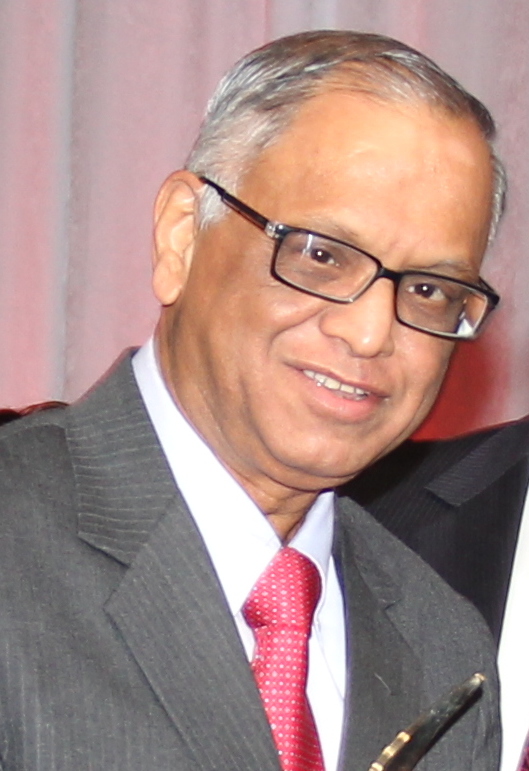
Murthy’s comments come months after his earlier remark urging young professionals to work 70–72 hours a week for a period of time to “transform the nation.” His renewed reference to China has once again ignited discussions across industries, especially in the context of India’s rapidly evolving work culture, youth aspirations, and the global shift toward work-life balance.
beelinemove.com | jayapokergacor.com | d-cigar.com
psangel.com | bridge-busan.com
What Is China’s 9-9-6 Work Culture?
The Chinese 9-9-6 system refers to a demanding schedule where employees work from 9 a.m. to 9 p.m., six days a week, totaling 72 hours. This culture is particularly common in China’s technology, manufacturing, and startup sectors.
Supporters argue that the model helped China scale its economic ambitions rapidly, fueling fast-paced industrial growth. Critics, however, view it as exploitative and unhealthy, pointing out burnout, stress, and legal controversies surrounding overtime practices.
By citing this model, Murthy aims to highlight how intense commitment helped China become an economic powerhouse — a playbook he believes India should adapt in its own context.
Murthy’s Vision: Hard Work for National Progress
Murthy has long been an advocate of discipline, commitment, and merit-driven work culture. In the interview, he emphasized that India still lags behind several global economies in per capita productivity. To bridge the gap, he believes the youth must temporarily commit to longer work hours.
His argument is built on these key points:
1. India Needs a Productivity Boost
Murthy often says that India’s productivity levels remain low compared to developed nations. He believes extended working hours can help fast-track the country’s economic ambitions.
2. Early Career Years Must Be More Intensive
He recommends this especially for young professionals who are in the learning and growth phase. According to him, the foundation of a nation’s progress lies in the energy of its youth.
3. Hard Work Helped Other Economies Grow
Pointing to countries like China, South Korea, and Japan, Murthy emphasizes that rapid economic development in these nations came from intense dedication by their workforce during critical decades.
Why His Statement Has Triggered Debate
The idea of a 72-hour work week has sharply divided opinions in India. While some entrepreneurs and leaders agree with Murthy’s sentiment, a large section of young professionals, HR experts, and mental health advocates disagree, calling the model outdated in today’s work environment.
Here are the major points of debate.
Arguments Supporting Murthy’s Viewpoint
1. India Must Compete Globally
As India aims to become a $5 trillion economy, supporters believe a stronger work ethic and higher dedication are necessary to keep pace with global competitors.
2. Extra Effort in the Early Years Pays Off
Many senior professionals argue that early career years naturally require more learning, effort, and sacrifice. According to them, the intense phase builds discipline and expertise.
3. Startups and Tech Ecosystems Thrive on Hard Work
In fast-paced sectors like IT, manufacturing, and startups, long hours are often seen as essential for product development, innovation, and expansion.
4. India’s Population Can Be a Strength
Murthy believes India must leverage its demographic dividend by encouraging hard work, skill development, and productivity.
Arguments Against the 72-Hour Recommendation
1. Burnout and Mental Health Issues
Long working hours are directly associated with stress, fatigue, and burnout. Critics argue that modern work should prioritize well-being and sustainability.
2. Productivity Is About Efficiency, Not Hours
Many experts point out that Europe maintains high productivity with fewer weekly hours. They believe smarter systems, automation, and innovation deliver better results than long shifts.
3. Poor Work-Life Balance
A 72-hour schedule leaves minimal time for family, personal growth, hobbies, and physical health — all essential for a balanced life.
4. Not All Sectors Require Long Hours
Service and knowledge sectors often prioritize creativity, problem solving, and strategy — areas where overwork can reduce clarity and performance.
5. Young India Has New Aspirations
Today’s youth value flexibility, hybrid work, mental well-being, and work-life harmony. Many see long-hour culture as regressive.
Industry Reactions: Mixed Views
Executives across tech and corporate sectors responded differently.
Some senior business leaders backed Murthy’s idea, saying that India’s workforce must push harder to contribute to the nation’s growth story. Others argued for a balanced approach, noting that longer hours do not guarantee better outcomes.
HR leaders, meanwhile, highlighted that the future of work is moving toward flexibility, technology-enabled efficiency, and employee wellness — not 12-hour days.
The startup community remains divided too. Many founders acknowledge that building companies does require hustle, but they also recognize the rising importance of mental health and burnout prevention.
What the Youth Think
Online reactions, especially from young professionals, have been strong.
Common sentiments include:
-
“We need better systems, not longer hours.”
-
“Work-life balance is important — we don’t want burnout.”
-
“Efficiency matters more than sheer effort.”
-
“Comparing India to China ignores cultural differences.”
Many young Indians believe the focus should be on skill development, fairness, innovative tools, and modern work processes rather than excessive working hours.
India’s Work Culture: At a Turning Point
Murthy’s renewed call for longer work hours brings attention to a larger debate: What should India’s future work culture look like?
The old model: Hard work, hierarchy, long hours
The new model: Efficiency, technology, balance, and innovation
India is currently transitioning between these two systems. While the country aims for high economic growth, employees increasingly value wellness, flexibility, and meaningful work.
AI tools, automation, and digital platforms are transforming productivity models. Better systems, not longer days, may ultimately drive India forward.
Conclusion
Narayana Murthy’s reference to China’s 9-9-6 work culture has reignited discussions on productivity, economic ambition, and the role of India’s youth in national development. While his message emphasizes hard work and dedication, it also raises critical questions about work-life balance, mental health, and modern workplace expectations.
As India moves toward becoming a global economic force, the challenge will be finding the right balance — encouraging commitment and excellence while ensuring that young professionals grow in a healthy, sustainable, and innovative work environment.