American actor James Finley Ransone III, widely known for his memorable film and television roles, has died at the age of 46, leaving the entertainment world and fans around the globe in mourning. The Los Angeles County Medical Examiner’s Office confirmed that Ransone died by suicide on December 19, 2025, in Los Angeles, California. His passing marks a tragic end to a life and career defined by powerful performances, personal resilience, and candid openness about his struggles with trauma and addiction.
A Versatile and Respected Career
Born on June 2, 1979, in Baltimore, Maryland, James Ransone’s journey into acting began in the early 2000s after formative training at the George Washington Carver Center for Arts and Technology and a brief stint at the School of Visual Arts in New York. His early work included independent films such as The American Astronaut (2001), but his breakthrough came soon after.
Ransone is perhaps best known for his portrayal of Chester “Ziggy” Sobotka in HBO’s acclaimed crime drama The Wire. Appearing in all 12 episodes of the show’s second season, Ziggy—an impulsive, troubled dock worker caught in Baltimore’s seedy waterfront world—became one of the series’ most memorable and complex characters. This role spotlighted Ransone’s ability to convey vulnerability, frustration, and raw emotional depth.
Beyond The Wire, Ransone built a rich portfolio across both television and film. He appeared in the war drama Generation Kill (2008) as Cpl. Josh Ray Person, demonstrating his range by transitioning smoothly from gritty character drama to intense military narratives. His television work also included roles in Bosch, Poker Face, Law & Order, Hawaii Five‑0, and Treme, showcasing a steady and versatile presence on screen.
thcbdlab.com | guestblog.site | theyoursbrand.com
shoppersblocks.com | TheJobsVilla.com
In film, Ransone became well‑known for parts that often balanced psychological complexity with genre appeal. In the horror realm, he played Max in The Black Phone (2021) and its 2025 sequel, as well as featured in Sinister (2012) and Sinister 2 (2015). One of his most widely seen roles was the adult Eddie Kaspbrak in It: Chapter Two (2019), the blockbuster follow‑up to the Stephen King adaptation that reunited a cast of diverse talents and captivated audiences around the world.
These roles demonstrated Ransone’s willingness to immerse himself in a wide range of characters, from tormented souls to anti‑heroes and dramatic leads. Colleagues and fans consistently praised his distinctive presence and committed performances, making him a respected figure among character actors in Hollywood.
Personal Struggles and Advocacy
While Ransone’s professional achievements were significant, his personal life was also marked by challenges that he openly acknowledged. In 2021, he shared a deeply personal account of surviving childhood sexual abuse at the hands of a former tutor—a revelation that drew attention to his long journey through trauma, addiction, and recovery. Ransone described how the abuse, which occurred when he was 12 years old, contributed to years of substance dependency and emotional pain.
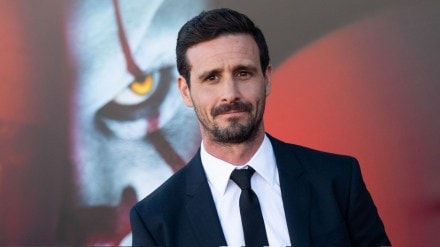
He candidly discussed battling alcoholism and heroin addiction, ultimately finding sobriety in 2006. His willingness to speak publicly about these experiences brought attention to the long-term effects of childhood trauma and underscored the importance of mental health awareness and support.
Despite his successes on screen and efforts to confront his past, Ransone continued to face internal struggles. Reports following his death indicate that no foul play was suspected in his passing and that authorities ruled his death a suicide. The tragedy has sparked reflection on the challenges faced by individuals battling longstanding mental health issues, even those who appear strong and successful in the public eye.
Outpouring of Tributes and Legacy
News of Ransone’s death prompted an immediate and heartfelt response from fans, colleagues, and fellow actors across social media and entertainment communities. Many shared memories of his performances, noting his ability to inhabit characters with nuance and authenticity. This outpouring highlighted the impact Ransone had on both his audiences and peers—an impact that extended beyond his filmography to the personal connections he forged through his work.
Co-stars and collaborators remembered Ransone as a unique and inspiring talent, whose contributions to film and television will continue to resonate. Users across various platforms reflected on his many memorable roles, especially his critically acclaimed appearance on The Wire and his contributions to genre films that have become modern classics.
His family—survived by his wife, Jamie McPhee, and their two children—became the subject of many tributes that acknowledged the deep love and respect he inspired. In the days following his death, McPhee shared emotional messages remembering Ransone as a devoted husband and father, further underscoring the personal loss felt by those closest to him.
The Broader Conversation on Mental Health
Ransone’s passing has also contributed to broader discussions about mental health, trauma, and addiction within the entertainment industry and beyond. His openness about his past and the challenges he faced resonated with many who have experienced similar struggles, reinforcing the importance of accessible support and empathy. While Ransone’s tragic death highlights the devastating effects of untreated pain and depression, it also underscores the essential need for continued public dialogue and resources for mental wellness.
For those who may be struggling, resources like crisis hotlines and mental health support services remain available around the world. Open conversations about mental health—encouraged by individuals like Ransone—have helped reduce stigma and foster connections that can save lives.
Remembering James Ransone
James Ransone’s career was marked by versatility, depth, and fearless commitment to his roles. From his early days on Baltimore stages to impactful portrayals in television and film, he left an indelible mark on audiences and the industry. Though his life ended far too soon, his work continues to inspire, entertain, and provoke thoughtful reflection about the human condition.
As the global entertainment community mourns his loss, Ransone’s legacy serves as a reminder of the power of art to reflect truth—and of the importance of compassion in confronting life’s deepest struggles.