The Centre’s decision to introduce a new Bill to replace the Mahatma Gandhi National Rural Employment Guarantee Act (MGNREGA) has sparked intense political and public debate across the country. Enacted as a rights-based welfare legislation, MGNREGA has long been regarded as a cornerstone of rural employment and social security in India. The proposed overhaul has drawn strong criticism from the opposition, particularly Congress MP Rahul Gandhi, who has termed the move a direct insult to the ideals of Mahatma Gandhi.
MGNREGA is not merely an employment programme; it represents a constitutional promise of dignity, livelihood, and economic security for rural households. Any attempt to alter its structure or identity naturally invites scrutiny, especially when millions of families depend on it for survival during economic distress.
What the Proposed New Bill Seeks to Do
The Centre has proposed a new legislative framework aimed at restructuring rural employment and livelihood support. The proposed Bill reportedly seeks to replace MGNREGA with a broader mission focused on employment generation, rural infrastructure, water conservation, and sustainable livelihoods. The government has indicated that the new framework would guarantee a higher number of workdays, integrate modern planning tools, and align employment generation with long-term development goals.
Supporters of the proposal argue that the existing scheme requires modernization to address implementation challenges such as delayed payments, inefficiencies, and uneven asset creation. The new Bill is presented as a forward-looking attempt to improve outcomes rather than dismantle welfare support.
Rahul Gandhi’s Objections: Ideology and Impact
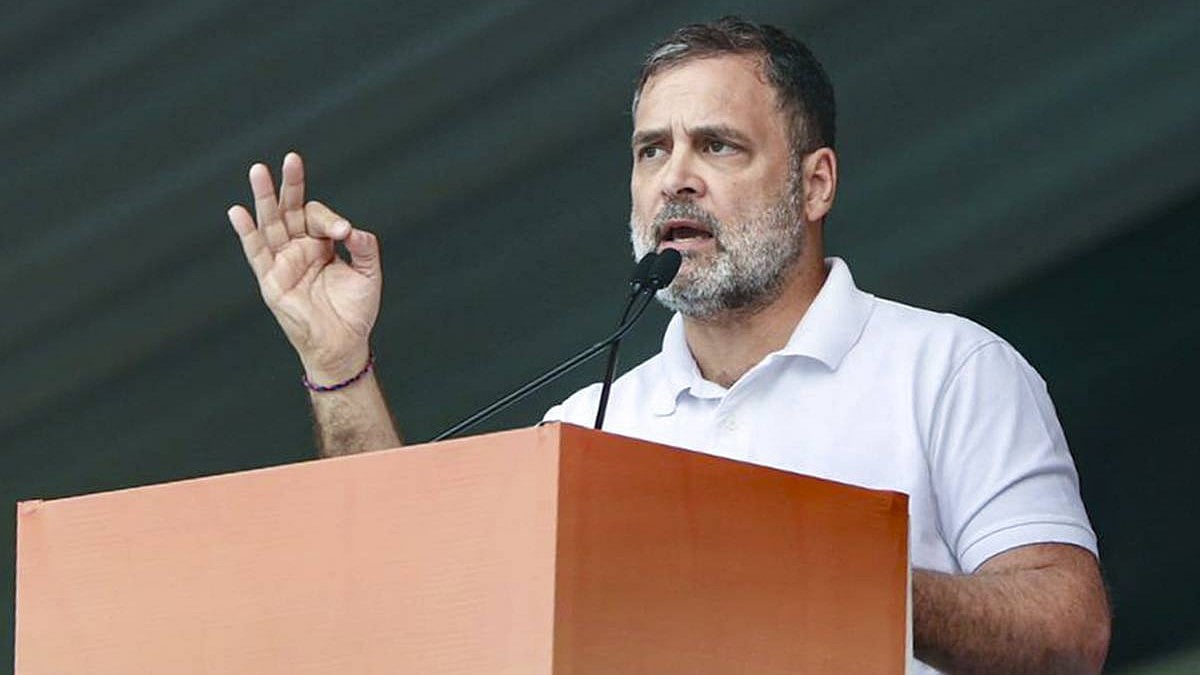
Rahul Gandhi’s criticism goes beyond administrative concerns. He has framed the move as both morally and politically problematic. According to him, removing Mahatma Gandhi’s name from a flagship rural employment law reflects a deeper disregard for Gandhian values of dignity of labour, decentralisation, and social justice.
He has warned that the proposed replacement risks weakening the legal guarantee that MGNREGA provides. Unlike many welfare schemes, MGNREGA gives rural citizens a statutory right to demand work, making the state accountable. Gandhi argues that diluting this legal assurance could expose vulnerable populations to uncertainty and exclusion.
Core Concerns Raised by the Opposition
Several concerns have been raised by opposition leaders, economists, and social activists regarding the proposed overhaul:
Dilution of Legal Rights:
MGNREGA stands out because it guarantees employment as a legal entitlement. Critics fear that restructuring the law could convert this entitlement into a discretionary or scheme-based benefit.
Shift in Financial Responsibility:
There are apprehensions that the new model may increase the financial burden on states. Poorer states, already constrained by limited resources, may struggle to maintain employment levels without strong central support.
Weakening of Local Governance:
Under MGNREGA, local institutions such as Gram Sabhas and Panchayats play a vital role in planning, execution, and social audits. Critics argue that excessive centralisation and digitisation could undermine grassroots participation.
Risk of Exclusion:
Any changes in registration systems, eligibility norms, or monitoring mechanisms carry the risk of excluding marginalised workers, especially in areas with limited digital access.
couriercompaniez.com | ArtOfYourself.com | autocrushr.com
packermoverz.com | howtotravel.org
Government’s Stand and Rationale
The government has defended the proposed Bill as a reform-oriented initiative designed to enhance efficiency and accountability. Officials have emphasised the need to adapt rural employment policies to contemporary challenges such as climate change, water scarcity, and sustainable infrastructure development.
According to the government’s narrative, the new framework would not reduce employment opportunities but expand them while ensuring better quality assets and long-term rural resilience. The emphasis, it says, is on improving outcomes rather than dismantling welfare protections.
Political and Electoral Ramifications
The proposed overhaul has quickly become a political flashpoint. Opposition parties have accused the Centre of attempting to dismantle one of India’s most impactful social welfare laws. Several leaders have warned that any perceived weakening of MGNREGA could trigger protests, parliamentary disruptions, and legal challenges.
Given MGNREGA’s deep penetration in rural India, changes to the law are likely to influence public opinion, particularly in agrarian and economically vulnerable regions. The issue may also play a significant role in upcoming state and national elections.
Reform Versus Replacement: A Policy Dilemma
While most stakeholders agree that improvements in implementation are necessary, critics argue that reform should strengthen the existing law rather than replace it. Key recommendations from experts include preserving the legal right to employment, ensuring equitable funding, and reinforcing decentralised planning mechanisms.
Balancing efficiency with inclusivity remains the central challenge. Without adequate safeguards, even well-intentioned reforms risk undermining the social security net that MGNREGA has built over the years.
The Symbolism of Mahatma Gandhi’s Name
Beyond policy mechanics, the controversy highlights the power of symbolism in governance. Mahatma Gandhi’s name carries moral authority and historical significance. Associating rural employment with his legacy reinforces the values of self-reliance, dignity, and community participation.
For many citizens, removing his name is perceived not as a neutral administrative decision but as a symbolic rupture with foundational principles. This perception has amplified resistance, regardless of the technical details of the proposed Bill.
Conclusion
The debate over replacing MGNREGA underscores the broader tension between reform and continuity in public policy. Rahul Gandhi’s charge that the move insults Mahatma Gandhi’s ideals reflects concerns that go beyond politics to the heart of India’s social contract with its rural population.
As the Bill moves forward, the government’s willingness to engage with criticism, preserve core guarantees, and protect vulnerable communities will determine whether the overhaul is seen as progressive reform or a retreat from hard-won rights. The outcome of this debate will shape the future of rural employment policy in India for years to come.