Bihar went to polls today for the second and final phase of its assembly elections, marking a crucial moment for the state’s political landscape. More than 3.7 crore voters are set to decide the fate of 1,302 candidates contesting across several constituencies.
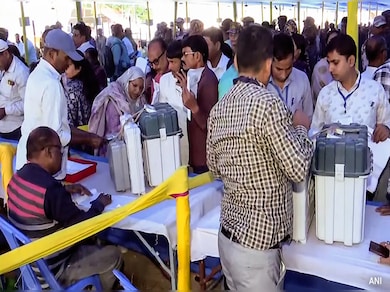
This phase, spread over the eastern and northern parts of the state, has drawn special attention due to the prominence of the Seemanchal region, an area often viewed as politically decisive. The outcome from Seemanchal and nearby districts could significantly impact the balance of power between major alliances and regional parties.
A Key Phase in Bihar’s Electoral Battle
The second phase of the Bihar elections is not just another round of voting—it represents the final opportunity for political parties to secure their positions before results are declared. With campaigns now over and polling in progress, this phase is being seen as a litmus test for both the ruling and opposition alliances.
The Mahagathbandhan (Grand Alliance) and the National Democratic Alliance (NDA) are once again facing off, but this time, the contest has become far more fragmented. Regional outfits and independent candidates are also expected to play a vital role, especially in constituencies where local issues outweigh larger political narratives.
Seemanchal in Spotlight
The Seemanchal region, comprising districts like Kishanganj, Purnea, Araria, and Katihar, has emerged as the focal point of this phase. Known for its unique demographic composition and developmental challenges, Seemanchal often shapes the political discourse in Bihar.
Analysts believe that issues like flood management, unemployment, and education dominate voter concerns here, rather than just caste or religious factors. Political observers also note that the region’s sizeable minority population makes it a key battleground for parties aiming to consolidate diverse voter bases.
Both RJD and JD(U) have fielded strong local candidates, while smaller regional parties are looking to make inroads by focusing on community-based campaigns. The BJP, too, has intensified its outreach in the area, seeking to expand its influence beyond traditional strongholds.
movevacations.com | sugarlanedesign.com | autofixteam.com
secureautoin.com | gotickettravel.com
Voter Turnout and Early Trends
According to early reports from the Election Commission, polling began on a peaceful note with high voter enthusiasm recorded in many districts. Long queues were seen outside polling stations from the early hours, despite the chilly morning conditions.
Officials have ensured tight security arrangements, especially in sensitive constituencies. Thousands of security personnel have been deployed, and webcasting facilities are being used to monitor booths in real time.
Election observers have reported a healthy turnout among women voters, a trend that has grown steadily in Bihar over recent elections. Political analysts suggest that higher female participation could once again prove decisive, as women voters in Bihar have been credited with shifting results in several past contests.
Major Candidates in the Fray
This phase features several high-profile names and sitting legislators whose political futures are now at stake.
Among the prominent candidates are senior leaders from RJD, BJP, JD(U), and Congress, along with independent contenders representing smaller regional interests.
Key constituencies like Purnea, Katihar, Araria, and Kishanganj are witnessing closely fought triangular battles. Political heavyweights are leaving no stone unturned to mobilize last-minute support, with many constituencies seeing multi-cornered contests that could split the vote in unpredictable ways.
Regional Parties Eye Larger Role
While the battle between the NDA and Mahagathbandhan dominates headlines, this election has also opened new opportunities for regional players like Vikassheel Insaan Party (VIP), HAM-Secular, and AIMIM.
In particular, the All India Majlis-e-Ittehad-ul-Muslimeen (AIMIM), led by Asaduddin Owaisi, is contesting several seats in Seemanchal. The party is banking on its growing support among minority voters and could emerge as a kingmaker in tight races.
If AIMIM manages to retain or increase its presence in the Bihar Assembly, it could alter the post-election equations, influencing both alliances’ strategies moving forward.
Election Issues and Voter Sentiment
Unlike previous elections dominated by the narrative of governance versus change, this time the voter sentiment in Bihar appears deeply rooted in local issues.
Many voters have expressed concerns about the state’s economic stagnation, migration of youth, and lack of job opportunities. The education system, healthcare facilities, and infrastructure development are also recurring themes across constituencies.
Farmers in several districts have spoken about inconsistent crop prices and delayed government support, while urban voters are demanding better civic facilities and safety measures.
Women voters, particularly in rural areas, have highlighted the need for improved welfare schemes and empowerment initiatives, crediting such programs for improving family stability and income in recent years.
Security and Administration Measures
The Election Commission of India (ECI) has taken extensive steps to ensure free and fair polling. Sensitive and hyper-sensitive booths have been identified, and paramilitary forces have been deployed in large numbers to prevent any untoward incidents.
Voter awareness campaigns have also been conducted to encourage maximum participation. The ECI has emphasized adherence to Covid-19 safety protocols, with sanitizers, masks, and thermal screenings made available at polling centers.
Special arrangements have been made for senior citizens and persons with disabilities, ensuring smooth access to polling booths.
Political Stakes and What’s Next
The stakes in this phase are immense. For the ruling NDA, retaining its hold in Bihar is critical to demonstrating stability and governance. Meanwhile, the RJD-led Mahagathbandhan is looking to reclaim lost ground by mobilizing youth and marginalized voters.
The outcome will also be closely watched for its potential national implications, as Bihar often sets the tone for political strategies in northern India.
With coalition politics being the norm, every seat carries weight in determining the post-poll alliances that may shape the state’s next government.
Counting of votes will take place in the coming days, and early trends are expected to indicate whether the electorate has chosen continuity or change.
Conclusion
As Bihar concludes its final phase of polling, the atmosphere across the state remains charged with anticipation. The massive voter turnout reflects both the political engagement of the people and their desire for progress and accountability.
Whether the results bring a fresh mandate or reaffirm the existing leadership, one thing is certain — Bihar’s political future will once again be shaped by the voice of its people.
All eyes now turn to the counting day, when the ballots will reveal the verdict of 3.7 crore voters who participated in this defining electoral battle.